
If you’ve been around my community for a while, you’ve probably heard me say that improving your health doesn’t always require doing something more extreme. Sometimes, the biggest changes come from working with your body instead of against it. One of the simplest habits I teach inside The Lipedema Method is eating in alignment with your body’s natural circadian rhythm. In other words, eating from sunup to sundown as often as your schedule allows and giving your digestive system a chance to rest overnight.
This isn’t about following rigid fasting rules. It’s about creating a sustainable rhythm that supports your metabolism, digestion, sleep, and overall health.
We Weren’t Designed to Eat Around the Clock

For most of human history, meals naturally happened during daylight hours. There weren’t 24-hour grocery stores, drive-thrus, food delivery apps, or endless late-night snacks.
Food was eaten when it was available, and the body naturally experienced periods without eating.
Today, food is available almost everywhere, almost all the time.
Many of us wake up and begin eating shortly afterward, continue grazing throughout the day, enjoy an evening snack while watching television, and sometimes even eat right before bed.
As a result, our digestive system rarely gets a break.
Why Overnight Gut Rest Matters

Every time we eat, our digestive system gets to work. Our stomach, pancreas, liver, intestines, and hormones all begin coordinating the process of breaking down food and absorbing nutrients. This is exactly what they’re designed to do.
But just like every other system in the body, our digestive system also benefits from periods of rest.
Allowing about 12 hours between dinner and breakfast gives your body time to shift its focus away from digestion and toward its many overnight maintenance and repair processes.
For many women with lipedema, this gentle approach feels much more realistic and sustainable than longer fasting windows because it doesn’t require skipping meals or following an extreme protocol.
Instead, it’s simply creating a healthy daily rhythm.
What Is Metabolic Flexibility?
One of the added benefits of an overnight eating break is that it may help support metabolic flexibility.

Think of metabolic flexibility like having a hybrid car. A hybrid can easily switch between gasoline and electricity depending on what the situation calls for. A metabolically flexible body works much the same way. It can smoothly transition between burning carbohydrates after a meal and using stored fat during periods between meals.
When we’re constantly eating, grazing, or snacking, our bodies spend much more time relying on incoming glucose for fuel. We rarely give ourselves the opportunity to make that natural transition to stored energy.
This doesn’t mean you need to fast for long periods or eliminate carbohydrates.
Instead, allowing your body a gentle overnight break from food may help support this natural flexibility over time while also giving your digestive system the opportunity to rest.
Inside The Lipedema Method, I teach metabolic flexibility as one piece of a much larger picture. Along with eating nutrient-dense foods, prioritizing protein, strength training, quality sleep, stress management, and regular movement, it helps support a healthier metabolism without relying on restrictive diets.
Eating with Your Circadian Rhythm

Our bodies operate on an internal clock known as the circadian rhythm. This rhythm influences everything from hormone production and digestion to metabolism, energy levels, and sleep.
During daylight hours, our bodies are naturally better prepared to digest and utilize food. As evening approaches, our biology begins shifting toward rest and recovery.
While life isn’t always predictable, eating most of your meals earlier in the day whenever possible can help support these natural rhythms.
Remember, this isn’t about perfection! Some evenings you’ll have a family celebration, dinner with friends, or simply a busy schedule that pushes your meal later than usual. That’s okay.
We’re looking for consistency over time, not perfection every single day.
Support Your Body After Dinner

Supporting your circadian rhythm isn’t only about when you eat. One simple habit I encourage is dimming the lights after dinner.
Bright lights, especially from phones, tablets, televisions, and overhead lighting, tell your brain it’s still daytime. Lowering your light exposure in the evening helps support healthy melatonin production, allowing your body to prepare for restful sleep and overnight repair.
Together, finishing dinner earlier and creating a calmer evening environment send your body the message that it’s time to shift from activity into restoration.
Small Habits Create Big Change
Health doesn’t have to be complicated. Many of the habits that make the biggest difference are also the simplest. Try focusing on these small daily practices:

- Eat with daylight whenever you can.
- Finish dinner a little earlier in the evening.
- Turn down the lights after dinner.
- Give your digestive system about 12 hours of overnight rest before breakfast.
- Aim for consistency instead of perfection.
How to Apply These Takeaways & Support Your Circadian Rhythm
One of the things I love most about this approach is that it isn’t based on restriction. It’s based on rhythm.
When you eat in alignment with your body’s natural circadian clock, allow your digestive system time to rest overnight, and support metabolic flexibility, you’re creating an environment that works with your body instead of against it.
Will every day look perfect? Of course not.
Life includes vacations, celebrations, late dinners, and unexpected schedule changes. That’s part of living well.
The goal isn’t perfection. The goal is to build simple habits that become your normal most of the time.
Looking for More Support?
Inside The Lipedema Method, we focus on sustainable changes like these because they support long-term health without relying on extremes.
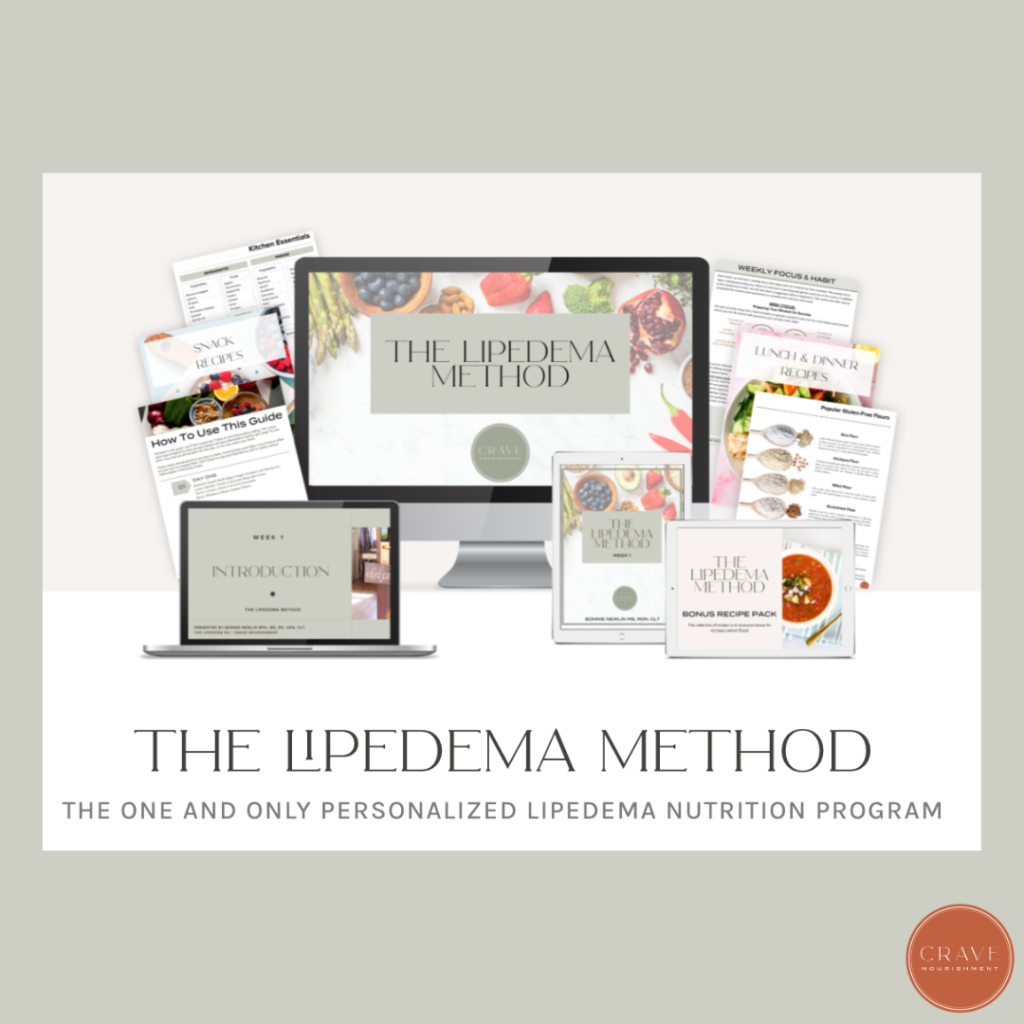
Together, habits like eating with daylight, creating a 12-hour overnight gut rest, reducing light exposure after dinner, nourishing your body with whole foods, and prioritizing movement and sleep all help create a healthier foundation.
Remember, health isn’t just about what you eat. It’s also about when you eat, how you live, and giving your body the opportunity to do what it was beautifully designed to do.
If you’re ready to learn more about how you can support your body in all of these ways, I hope you’ll join us inside The Lipedema Method!