Many women I work with ask me the same question: “How does my nutrition impact lipedema and my options for surgery?” It’s a great question, and the answer matters whether you’re planning lipedema surgery or not. Nutrition certainly isn’t just about weight; it’s a key player in how lipedema progresses and how your body heals. Come along to learn more about how anti-inflammatory nutrition can support you on your lipedema journey.
Nutrition Isn’t Optional

Here’s the truth when it comes to lipedema healing: whether or not you decide to have surgery, your nutrition plays a major role in supporting your body and quieting inflammation. Inflammation is the primary driver of lipedema progression over time. That means adopting an anti-inflammatory eating style isn’t just helpful, it’s essential.
Think of nutrition as a foundational tool that works alongside any treatment you choose. By making intentional choices, you’re giving your body the best chance to:
- Reduce uncomfortable swelling
- Slow disease progression
- Support overall metabolic and hormonal health
Nutrition as “Pre-Hab” for Lipedema Surgery
If surgery is on your path, nutrition becomes even more critical. I like to think of it as pre-hab, so to speak. It’s prepping your body so it’s nourished, resilient, and ready to heal. When your body is well-nourished going into surgery, you can expect:
- Faster recovery times
- Reduced inflammation after surgery
- Less stress on your lymphatic and circulatory systems
- A stronger foundation for maintaining your results long-term
Even better, the habits you build before surgery, like eating more anti-inflammatory meals, focusing on whole foods, and balancing protein and healthy fats, set you up for success afterward.
What If Lipedema Surgery Isn’t in Your Plans?
Even if surgery isn’t in your personal lipedema care plan, nutrition still matters. An anti-inflammatory, personalized eating plan helps control the cytokines and hormonal changes that drive lipedema progression. This can mean:
- Less swelling and pain
- Slower disease progression
- Improved energy, mobility, and overall comfort
- Better gut health and immunity, which helps reduce inflammation
In other words, whether you choose surgery or not, what you eat directly affects how your lipedema develops and how your body feels. Not to mention, we’re more than lipedema, right? Choosing an anti-inflammatory eating style supports your overall health for the long term. So no matter what life throws at you, your body will be ready and more balanced than before.
Anti-Inflammatory Nutrition for the Long Haul

The big takeaway here? Anti-inflammatory, personalized nutrition is non-negotiable for women with lipedema. It’s not a short-term fix. It’s not radical or shiny. Instead, it’s a lifestyle choice that:
- Supports long-term health
- Helps reduce inflammation
- Improves outcomes, whether you have surgery or not
- Gives you more control over your body and symptoms
- Is actually sustainable, meaning you won’t ever have to diet again!
Even small, consistent changes make a difference over time. Think of swapping a sugary snack for a protein-rich alternative, adding colorful vegetables to your plate, or focusing on anti-inflammatory fats like olive oil, avocado, and fatty fish instead of pro-inflammatory ones. Interested in hearing more? You can listen to my whole chat on this topic over on Instagram.
Take the Next Step with Lipedema Nutrition
Want to dive deeper? My signature course, The Lipedema Method, is designed to guide you through personalized nutrition strategies to reduce inflammation and slow progression. Inside the program, I help women take control of their lipedema journey with sustainable, science-backed nutrition.
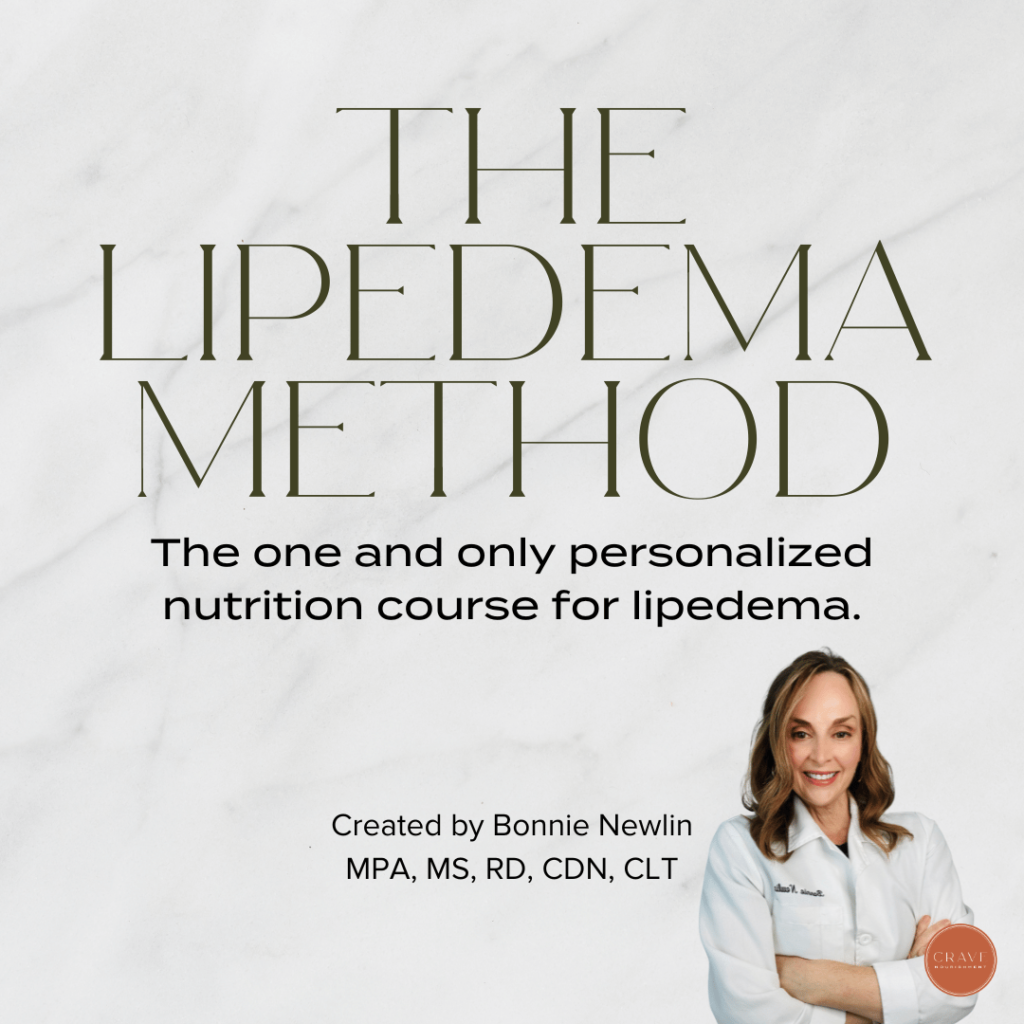
Whether you plan to have surgery or not, this course will give you the roadmap you need to be successful and feel your absolute best! Check out the program, or get in touch here to learn more.