
If you’ve been diagnosed with fatty liver disease on top of lipedema, you’re not alone. This is something I see quite often when working with women in our community. Many are trying to manage swelling, pain, inflammation, and weight concerns while also being told they have fatty liver disease. It can feel overwhelming, especially when the internet is full of conflicting advice about what to do next.
One of the most common recommendations? A liver detox. The problem is that your liver doesn’t actually need one. Let’s dive into this topic and debunk some myths!
First, What Is Fatty Liver? (Also known as NAFLD and MASLD)
Before we dive in, let’s talk about what fatty liver actually means. Non-Alcoholic Fatty Liver Disease (NAFLD) occurs when excess fat builds up in the liver in people who drink little to no alcohol.
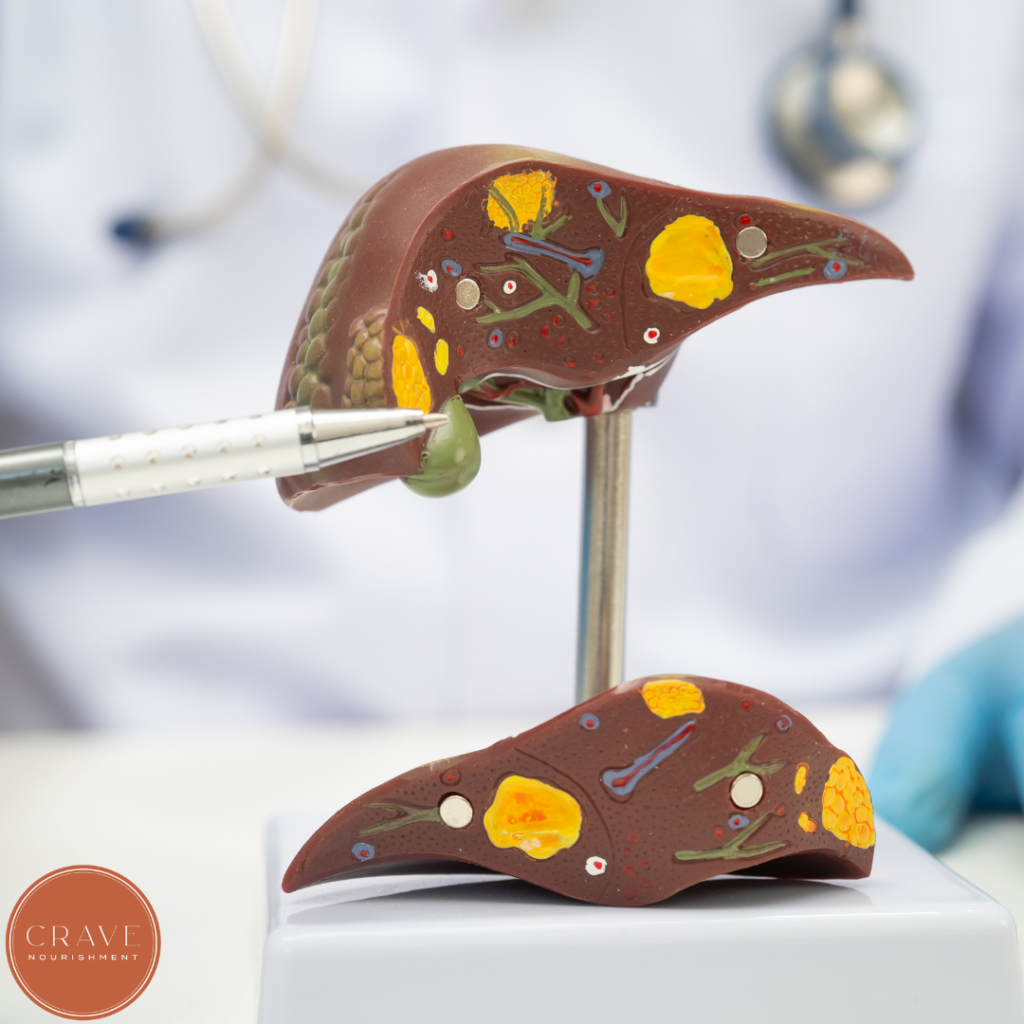
Recently, experts have updated the term to Metabolic Dysfunction-Associated Steatotic Liver Disease (MASLD) to better reflect the condition’s underlying drivers. Rather than focusing on what the disease is not, the new name highlights the important role that metabolic factors such as insulin resistance, elevated blood sugar, excess body fat, and other metabolic health concerns play in the development of fatty liver.
While the name has changed, the underlying condition remains the same. For many women with lipedema, understanding this connection between metabolism, insulin, and liver health can provide important clues about where to focus healing efforts.
For the purpose of this article and familiarity with the original term, we’re going to stick with the phrasing “fatty liver” for simplicity. Now, let’s get into the science!
Your Liver Already Knows How to Detox
The detox industry is a multi-billion-dollar business, but what your liver actually needs is surprisingly simple.

Your liver is your body’s primary detoxification organ. Every day, it works around the clock to filter toxins, process hormones, metabolize medications, and help remove waste products from your body.
You don’t need a special tea, juice cleanse, or expensive supplement program to make your liver “start detoxing.” It’s already doing that.
What your liver does need is the right support so it can perform these functions efficiently.
Instead of focusing on quick fixes, I encourage women with lipedema to focus on the underlying factors that may be contributing to fatty liver in the first place.
One of the biggest factors is insulin.
Why Insulin Matters More Than Most People Realize
When people think about fatty liver disease, they often focus solely on sugar or carbohydrates. While blood sugar is important, insulin is often the missing piece of the conversation.
Insulin is a hormone that helps move glucose from your bloodstream into your cells. However, when insulin levels remain elevated for long periods of time, the body becomes more likely to store energy as fat, including fat within the liver.
This is one reason why fatty liver disease is so closely connected to insulin resistance.
For many women with lipedema, improving liver health isn’t just about avoiding certain foods. It’s about understanding how meals impact insulin production throughout the day.
That’s why I often look beyond glycemic index alone.
Glycemic Index Isn’t the Whole Story
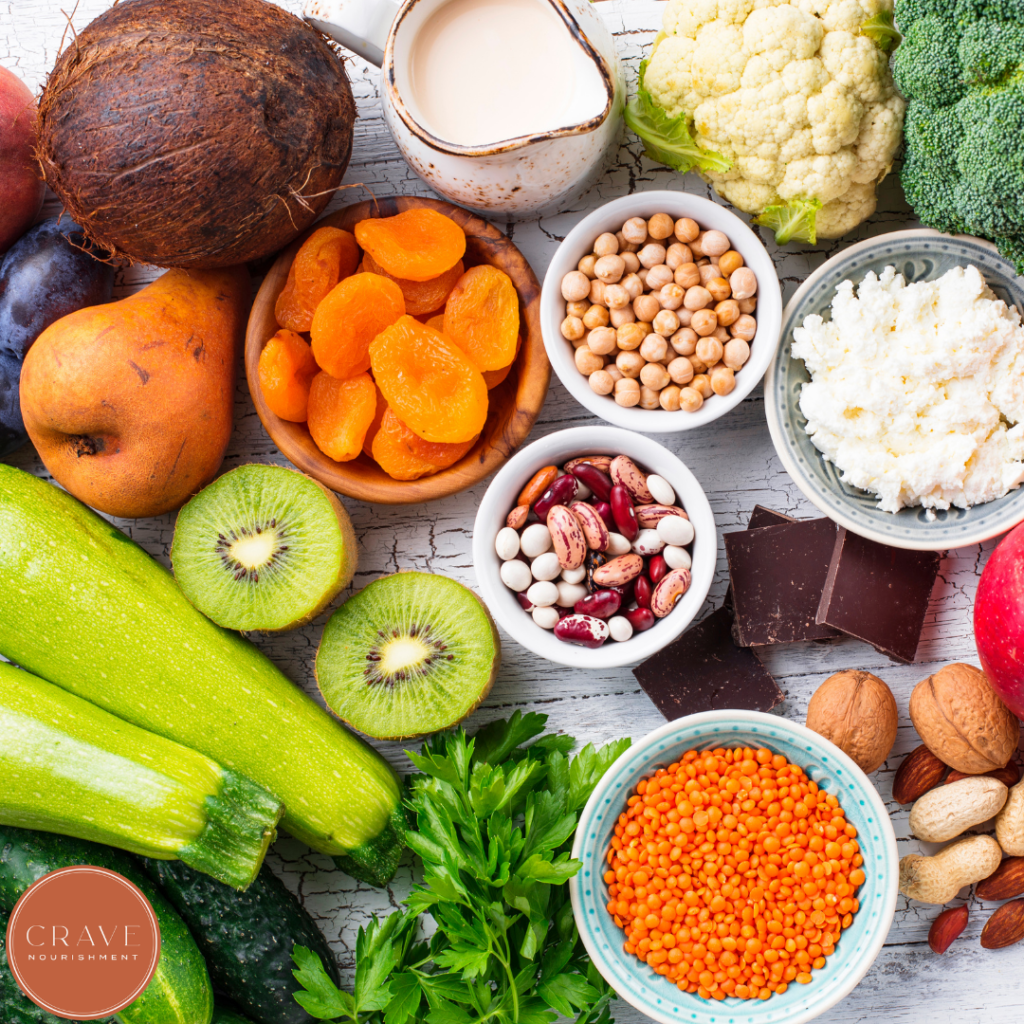
Many people have heard of the glycemic index, which measures how quickly a food raises blood sugar. While this can be useful information, it doesn’t tell us how much insulin the body needs to produce in response to a meal.
Two foods can have a similar effect on blood sugar but create very different insulin responses. This is where insulin load becomes important.
Looking at the overall insulin demand of a meal can provide a more complete picture of how food choices may be affecting metabolism, liver health, and inflammation over time.
For women with lipedema, this approach is often much more helpful than simply labeling foods as “good” or “bad.”
One Simple Strategy That Supports Liver Health: Fiber
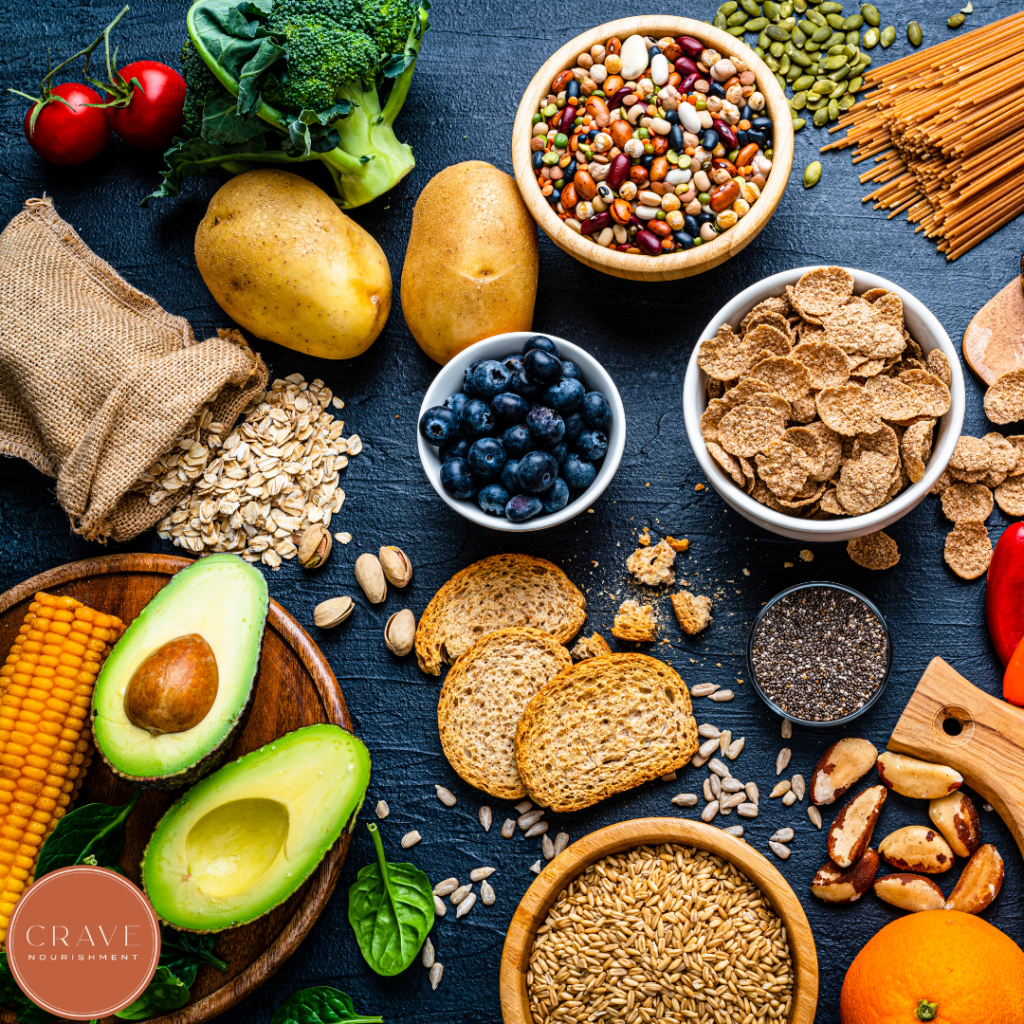
The good news is that supporting your liver doesn’t require a restrictive diet. In fact, one of the most powerful tools is something many people are not getting enough of: fiber.
Fiber offers several important benefits:
- Helps slow digestion and stabilize blood sugar
- Reduces the overall insulin demand of a meal
- Supports healthy cholesterol levels
- Feeds beneficial gut bacteria
- Supports regular elimination pathways
- Promotes satiety and appetite regulation
When we increase fiber intake through vegetables, berries, legumes, nuts, seeds, and other whole foods, we’re supporting multiple systems that influence liver health.
Small changes can add up quickly! Adding chia seeds to yogurt, including vegetables at lunch and dinner, or choosing higher-fiber carbohydrate sources are simple ways to begin.
The Missing Nutrient Many Women Don’t Know About
Another area I frequently explore through personalized testing is phosphatidylcholine.
This nutrient plays an important role in liver health because it helps package and transport fat out of the liver. Without adequate phosphatidylcholine, fat can accumulate more easily within liver cells.
Why Phosphatidylcholine Matters So Much
The liver produces phosphatidylcholine through an enzyme called PEMT (Phosphatidylethanolamine N-Methyltransferase). PEMT is actually the only pathway your body has for making choline from scratch, and it accounts for roughly 30% of the liver’s total phosphatidylcholine production.
Why does that matter? Because phosphatidylcholine produced through this pathway is preferentially used for two very specific and critical liver functions: assembling and exporting VLDL particles (which is how the liver ships triglycerides out of the liver) and supporting bile acid detoxification. When PEMT activity is low or impaired, the liver struggles to package and export fat efficiently — and that fat stays put, contributing to fatty liver.
PEMT also plays a broader role in:
- Maintaining the liver’s PC:PE ratio — the balance between phosphatidylcholine and phosphatidylethanolamine, which is critical for membrane integrity and lipoprotein secretion
- Delivering essential fatty acids — DHA and arachidonic acid are preferentially incorporated into PEMT-derived phosphatidylcholine and exported through lipoproteins, meaning PEMT activity influences your plasma levels of these important fats
- Choline availability — when dietary choline is low (common during periods of high demand like pregnancy), PEMT becomes the fallback for choline production
How DNA Testing Reveals Your PEMT Status
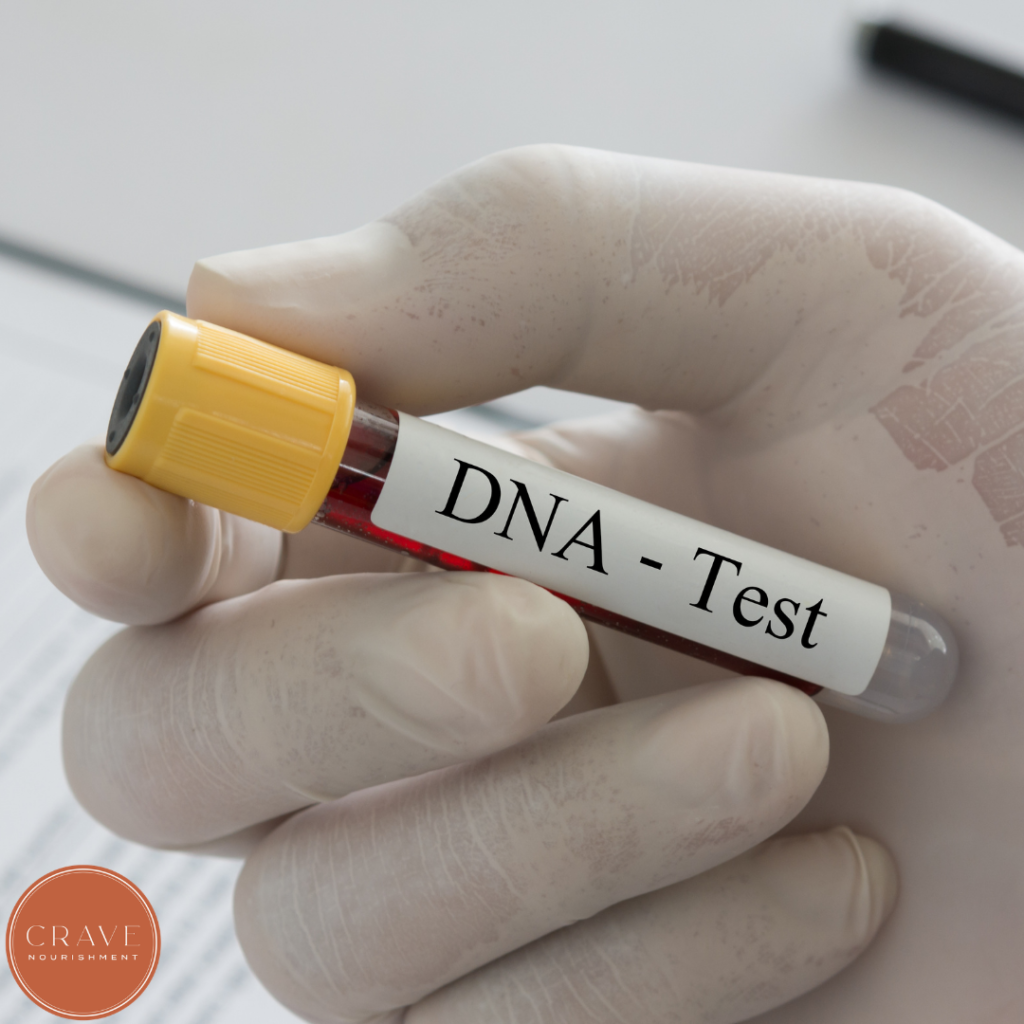
This is where personalized testing becomes really powerful. DNA testing can uncover whether you carry variants in the PEMT gene that affect how well this enzyme works for you.
One of the most clinically significant is a variant called V175M. Research has found that this loss-of-function polymorphism appears in approximately 68% of NAFLD patients, compared to only 41% of controls — a striking difference that suggests PEMT status may be an important and often overlooked driver of fatty liver.
This doesn’t mean something is “wrong” with you. It simply means your body may need more support in this specific area — whether through dietary choline sources, targeted supplementation, or other personalized strategies.
For some women, these genetic insights help explain ongoing challenges with:
- Fatty liver
- Elevated cholesterol
- Difficulty processing fats efficiently
- Metabolic health concerns
This is one reason personalized nutrition can be so powerful. Rather than guessing, we can look at the factors that may be influencing your unique physiology — and build a plan that actually fits how your body works.
A Better Approach Than Detoxing for Fatty Liver
When it comes to fatty liver and lipedema, the goal isn’t to force your body through another cleanse or restrictive protocol.
The goal is to support the systems that are already designed to help you heal.
That means focusing on:
- Improving insulin regulation
- Increasing fiber intake
- Supporting liver nutrient needs
- Understanding genetic factors when appropriate
- Creating sustainable habits that fit your lifestyle
Most importantly, it means working with your body instead of fighting against it.
The Bottom Line When It Comes to Fatty Liver
If you’ve been told you have fatty liver disease, you don’t need another detox program. Your liver already has a detoxification system built in.
What it needs is the right environment to function well.
By addressing insulin, prioritizing nutrient-dense foods, increasing fiber, and taking a personalized approach to nutrition, including understanding your genetic picture when relevant, you can support both liver health and lipedema management in a way that is evidence-based and sustainable.
This is exactly the type of personalized approach we use inside The Lipedema Method. Instead of relying on trends or one-size-fits-all recommendations, we focus on understanding your body and building a plan that works for you.

If you’re ready to learn more about personalized nutrition, lab testing, and strategies designed specifically for women with lipedema, we’d love to help. Click the button below to learn more.
REFERENCES
Diabetes, Obesity & Metabolism. 2026. Romanos M, Garcia Cordova JM, Villamarin J, Pazmino Zurita JD, Acosta A.RecentReview
Hepatology. 2023. Rinella ME, Neuschwander-Tetri BA, Siddiqui MS, et al.Guideline
Metabolic Dysfunction–Associated Steatotic Liver Disease in Adults.
The Journal of the American Medical Association. 2026. Tilg H, Petta S, Stefan N, Targher G.RecentReview
Nature Reviews. Gastroenterology & Hepatology. 2025. Byrne CD, Armandi A, Pellegrinelli V, Vidal-Puig A, Bugianesi E.Review
World Journal of Gastroenterology. 2023. Pal SC, Méndez-Sánchez N.Review
Modulation of Insulin Resistance in Nonalcoholic Fatty Liver Disease.
Hepatology. 2019. Khan RS, Bril F, Cusi K, Newsome PN.Review
The American Journal of Clinical Nutrition. 2015. Bell KJ, Bao J, Petocz P, Colagiuri S, Brand-Miller JC.RCT
The British Journal of Nutrition. 2019. Caferoglu Z, Hatipoglu N, Gokmen Ozel H.RCT
Diabetes, Obesity & Metabolism. 2017. Bawden S, Stephenson M, Falcone Y, et al.RCT
Clinical Science. 2026. Perumal SK, Rajamanickam R, Arumugam MK, et al.Recent
Hepatic PEMT Activity Mediates Liver Health, Weight Gain, and Insulin Resistance.
FASEB Journal : Official Publication of the Federation of American Societies for Experimental Biology. 2019. Wan S, van der Veen JN, Bakala N’Goma JC, et al.
International Journal of Obesity. 2025. Tel Adıgüzel K, Yaman A, Kürklü NS, Adıgüzel E.Recent
Lipedema Diagnosis, Clinical Manifestations, and Therapeutics: A Systematic Review.
International Journal of Dermatology. 2026. Vazirnia A, Smart DR, Mohseni Y, Amron DM.RecentReview