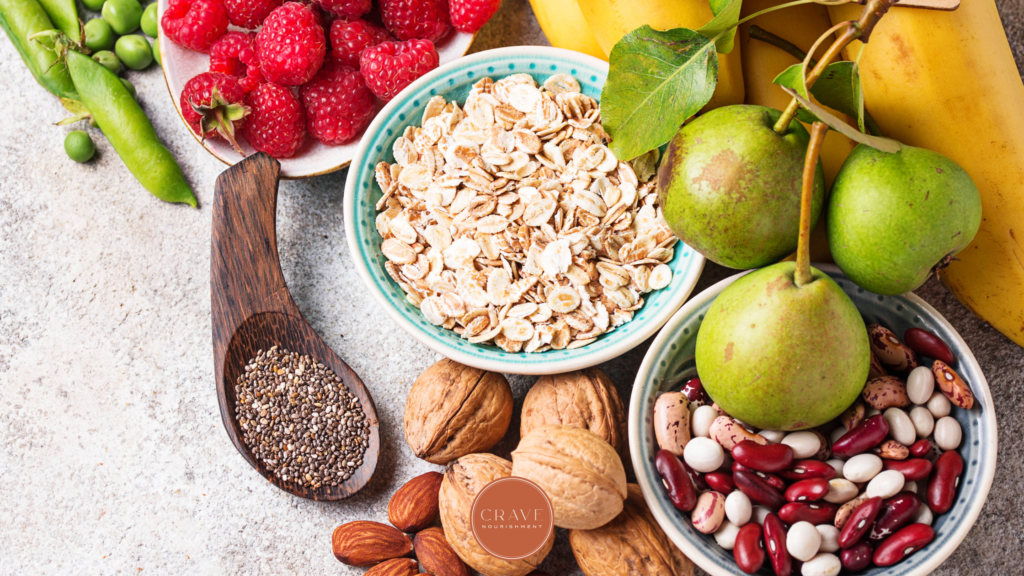
At FDRS 2025, I had the privilege of sharing why fiber is so much more than just a digestive aid. For women navigating lipedema, Dercum’s disease, MCAS, and related fat disorders, fiber plays a critical role in reducing inflammation, supporting the gut, and helping your body function at its best.
If you’re a woman battling chronic inflammation, this one is for you! Let’s recap my presentation for FDRS 2025 and talk about why fiber is essential for healing.
Fiber Reduces Inflammatory Cytokines
Fiber feeds the beneficial bacteria in your gut, which produce short-chain fatty acids (SCFAs), key compounds that help calm inflammation. This directly reduces pro-inflammatory markers like IL-6 and TNF-α, two major factors in lipedema progression.
Tip: Include a mix of soluble and insoluble fiber. Think oats, chia seeds, lentils, broccoli, and apples. Even a handful of berries in your morning yogurt can boost SCFA production.
Strengthens Your Gut Barrier
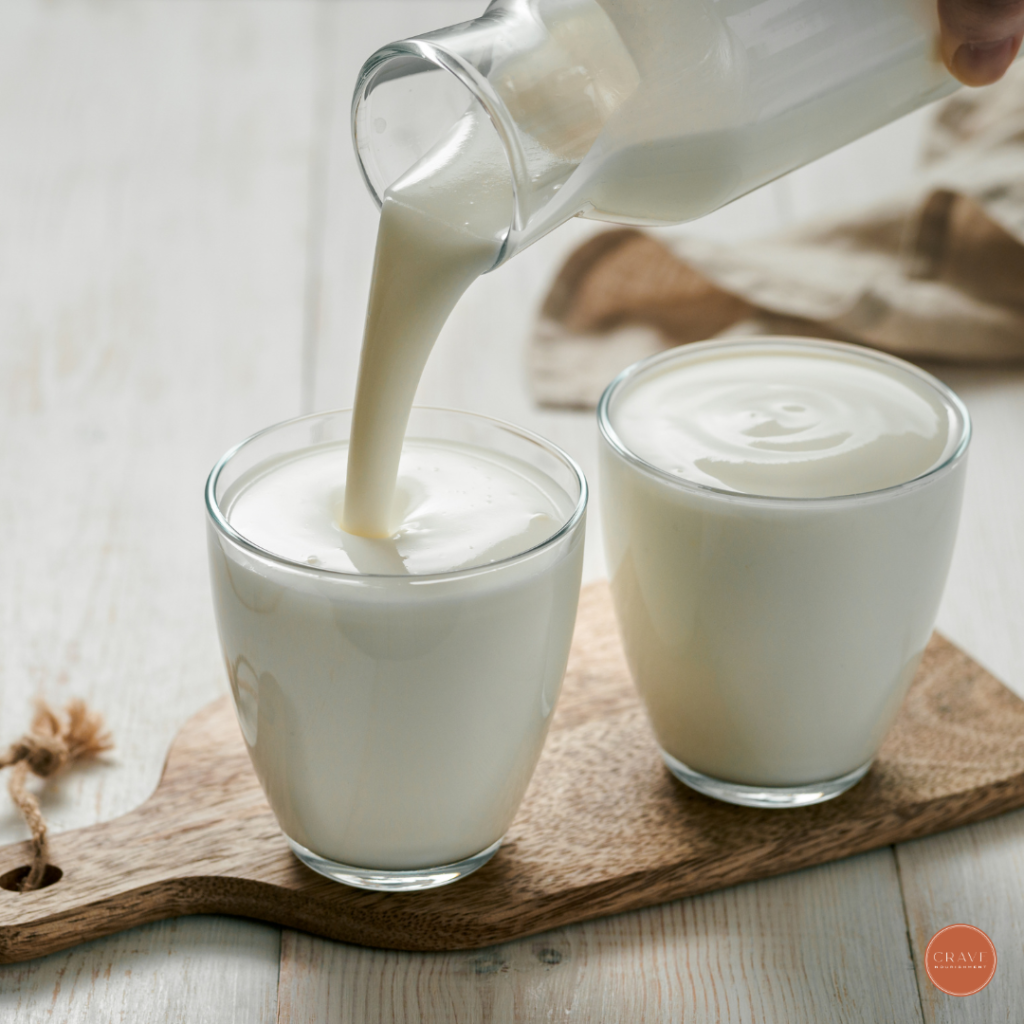
A strong gut barrier = less “leaky gut.” Fiber helps seal and strengthen tight junctions in your intestinal lining, reducing the spillover of endotoxins into your bloodstream.
This keeps your immune system calmer and inflammation lower, a huge win for women with chronic fat disorders.
Tip: Add fiber gradually, and pair it with fermented foods like yogurt, kefir, or sauerkraut to support gut health without bloating.
Supports Stable Blood Sugar & Metabolic Health
Fiber slows glucose absorption, helping prevent spikes in blood sugar and lowering metabolic stress. This is especially important in lipedema, where hormonal imbalances and insulin sensitivity can make managing inflammation and tissue health more challenging.
Tip: Combine high-fiber foods with protein and healthy fats for even better blood sugar control. For example, an apple with almond butter or roasted chickpeas with olive oil helps keep blood sugar stable.
Boosts Microbial Diversity
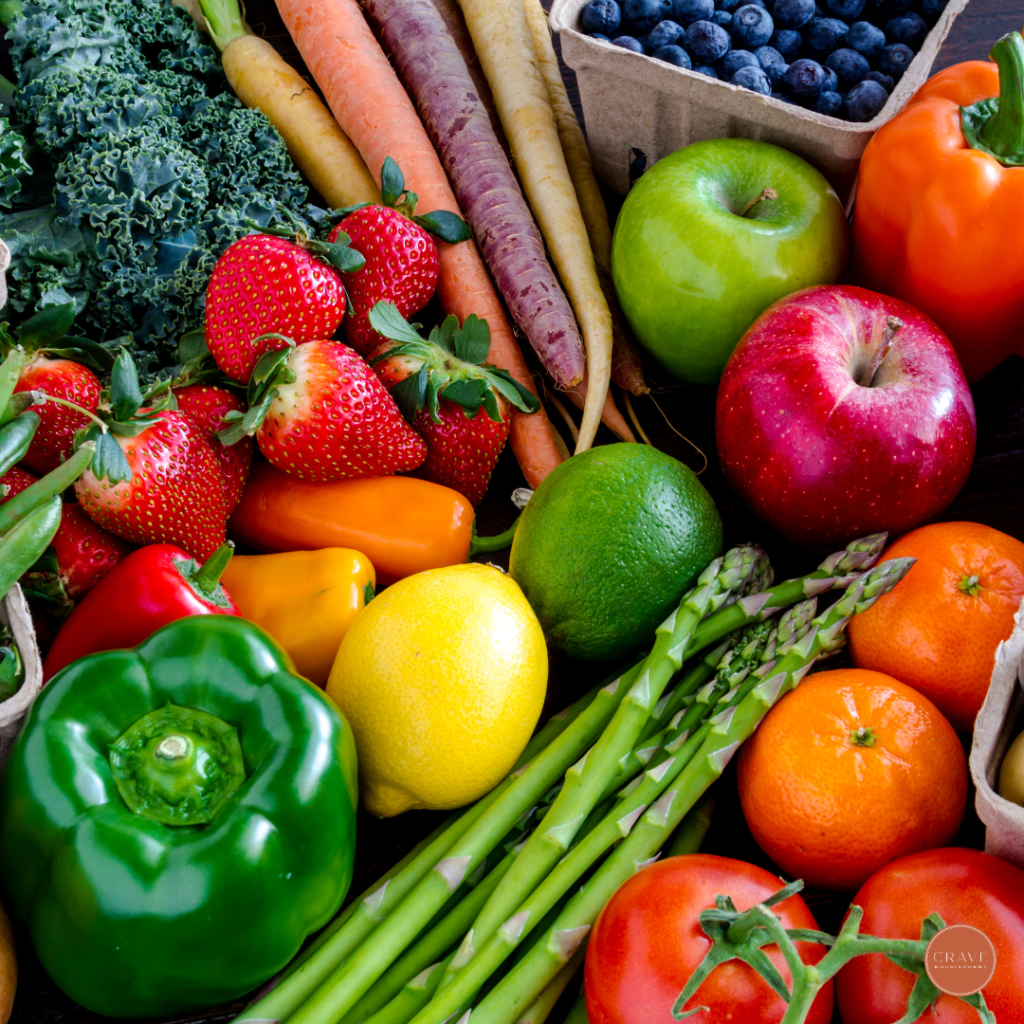
A rich, diverse gut microbiome means a more balanced immune system and less inflammatory signaling. Fiber nourishes a variety of gut bacteria, which in turn helps your body respond more effectively to stressors that could worsen inflammation.
Tip: Add even more plant diversity to your diet by switching it up. Rotate your vegetables, beans, and grains throughout the week.
Try a different leafy green each day, switch between cruciferous veggies sources, or swap lentils for black beans to keep your microbiome thriving.
Helps With Satiety & Weight Regulation
For women with lipedema and related conditions, hormonal and metabolic challenges often make weight regulation difficult. Fiber keeps you fuller for longer and helps stabilize appetite, making sustainable nutrition easier to maintain.
Tip: Looking to boost satiety further? Start your meals with a fiber-rich salad or roasted veggies. This simple habit can reduce overeating and support more balanced energy levels.
Consistency Matters More Than Perfection

You don’t need to overhaul your diet overnight. Small, consistent daily habits, like adding vegetables, legumes, and whole grains, can significantly impact inflammation, gut function, and overall symptoms over time.
Tip: You don’t need to do it all, or set the bar too high. Instead, set a realistic goal like “I’ll prep one high-fiber meal per week” and level up from there.
Building sustainable habits is what puts change in place!
Learn More & Watch the FDRS 2025 Presentation
Fiber isn’t optional if you’re managing lipedema or chronic inflammation; it’s foundational. Making fiber a regular part of your meals supports your gut, calms inflammation, and strengthens your overall metabolic health.
Want to see fiber in action and learn practical tips for your meals? Watch my full talk from FDRS 2025 right here!