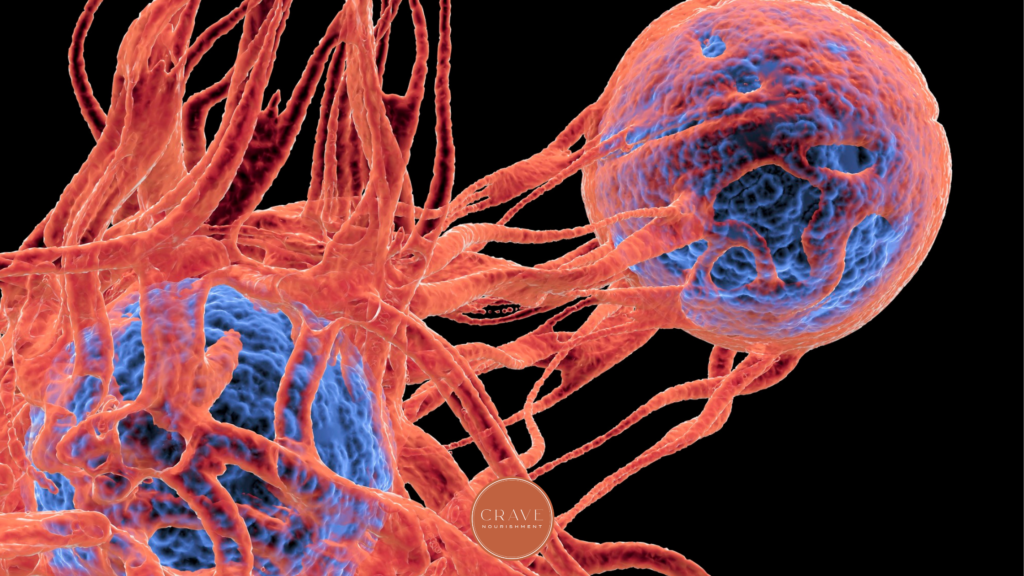
Over on Instagram, I shared a post about histamine, mast cells, oxygen, and lipedema tissue… and it sparked a huge conversation. So many thoughtful questions came in that I wanted to slow down and break it down clearly here. Once you understand what may be happening biologically, a lot of the symptoms many women experience with lipedema start to make more sense. Let’s walk through it together!
Lipedema Fat is Different
Lipedema isn’t just stored fat. Research shows lipedema tissue is biologically active, with changes happening in the vascular system, immune signaling, and inflammation pathways.
One of the most commonly reported overlapping conditions in women with lipedema is mast cell activation.
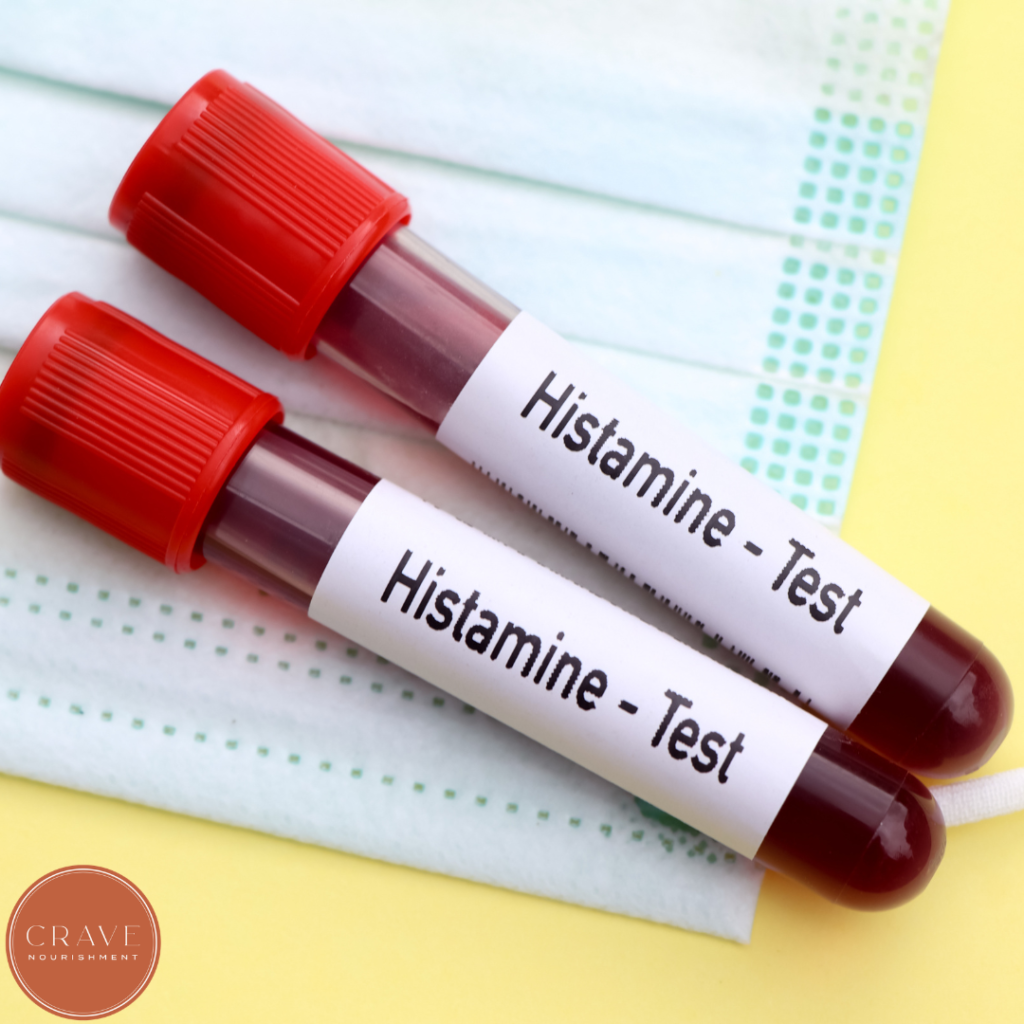
Many patients report symptoms consistent with mast cell mediator release, including:
- flushing
- itching
- swelling
- headaches
- digestive symptoms
- histamine sensitivity
These symptoms can feel confusing until you start looking at the immune system’s role.
This Topic Is Personal for Me
Beyond being interesting, this conversation is also personal. I was diagnosed with Mast Cell Activation Syndrome (MCAS) back in 2015, years before I received my lipedema diagnosis.
Living with both conditions has given me a unique perspective as both a patient and a registered dietitian when looking at how these systems overlap.
One important thing to understand about mast cells is that their activity isn’t always constant. They can flare and calm down depending on things such as:
- inflammation
- hormones
- gut health
- immune signaling
- environmental triggers
And this is where the conversation about oxygen becomes really interesting.
What Oxygen Has to Do With Lipedema Tissue
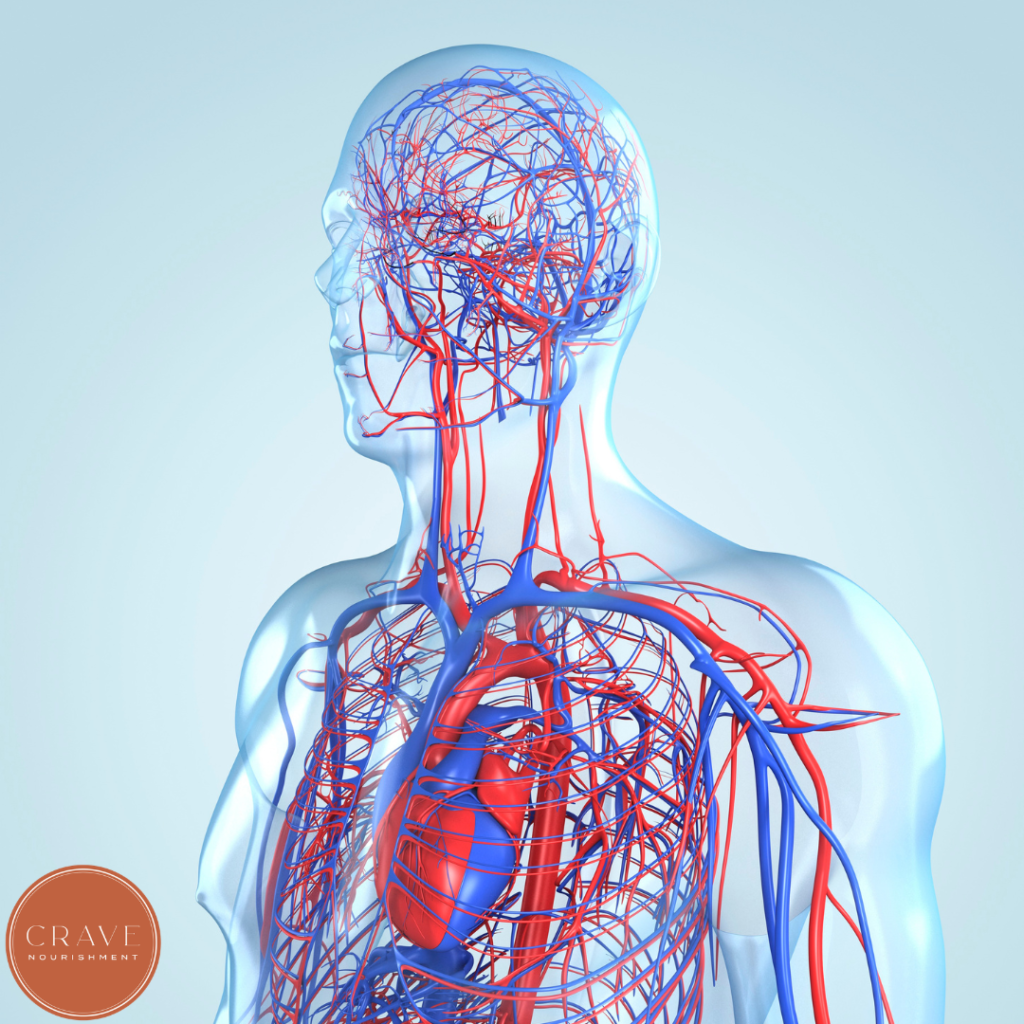
As adipose tissue expands, the body relies on the microvascular system to deliver oxygen to that tissue. But when tissue growth outpaces the blood supply, areas of localized hypoxia (low oxygen) can develop.
Research suggests lipedema tissue may become relatively hypoxic due to microvascular dysfunction and structural tissue changes. Lipedema tissue has been shown to have:
- fragile capillaries
- increased vascular permeability
- extracellular matrix remodeling
These changes can make it harder for oxygen and fluids to move efficiently through the tissue.
Why Oxygen Matters for Fat Metabolism
Fat metabolism requires oxygen. Processes like mitochondrial energy production and fatty acid oxidation depend on adequate oxygen availability.
When oxygen is limited, the body may shift toward inflammatory signaling. A simplified version of the cycle can look like this:
Low oxygen → inflammatory signaling → mast cell activation → histamine release → increased vascular permeability → more swelling → further impaired oxygen delivery
In immunology research, low oxygen levels activate a pathway called HIF-1α, which stimulates inflammatory mediators and supports mast cell activation.
While this pathway is well established in mast cell biology, researchers are still exploring how it may relate specifically to lipedema. But biologically, it’s a very plausible connection.
Where Nutrition Fits In
There isn’t a single food that can magically “oxygenate” tissue. But nutrition can support the systems that deliver and use oxygen in the body.
That includes supporting vascular health, endothelial function, histamine metabolism, gut health, and inflammation balance. When those systems are supported, we may be helping create an environment where mast cells are less likely to be triggered.
Foods That Support Circulation and Oxygen Delivery
Many of the foods that support circulation also happen to fit well into a lower-histamine approach. Some examples include:
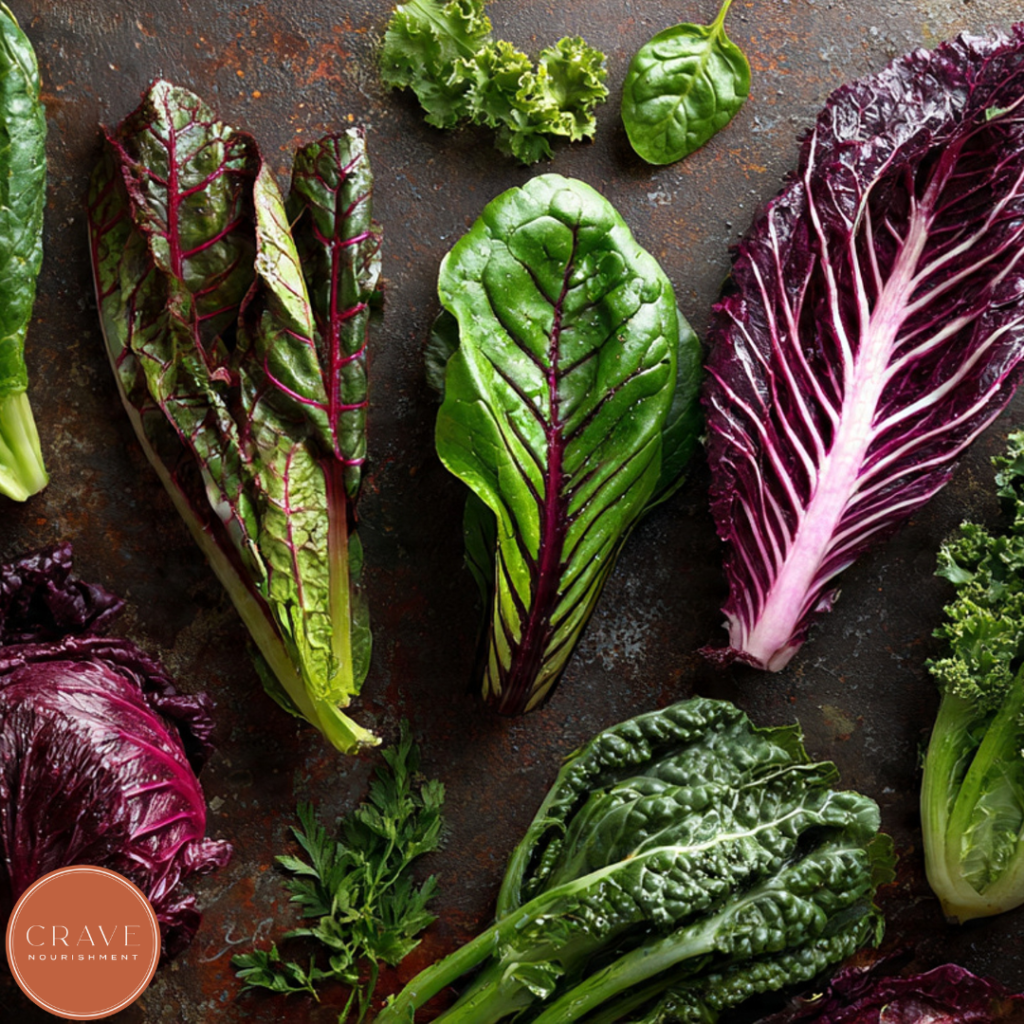
- leafy greens like arugula and lettuce
- pumpkin seeds for magnesium
- iron-rich foods that support oxygen transport
- fresh whole foods that support vascular health
Simple shifts like building meals around fresh, nutrient-dense foods can support several of these systems at once.
The Bigger Picture for Lipedema
One of the most empowering things about mast cell biology is this:
Mast cells respond to their environment. That means their activity can change.
When we support the systems that influence inflammation, circulation, gut health, and immune signaling, we’re helping shift that environment in a more supportive direction.
Small, consistent changes can make a meaningful difference over time.
And conversations like the one that started on Instagram remind me how important it is to keep connecting the dots between the science and what women are actually experiencing in their bodies.
If this topic resonated with you, keep an eye out. I’ll be sharing more about these overlapping pathways and how nutrition can support them in practical ways!
You Don’t Have to Walk This Journey Alone

And don’t forget. . . You’re not alone in this journey.
If you’re interested in learning more about the services and programs I offer to manage lipedema, lymphedema, MCAS, and so much more, you can find it all here.